Introduction
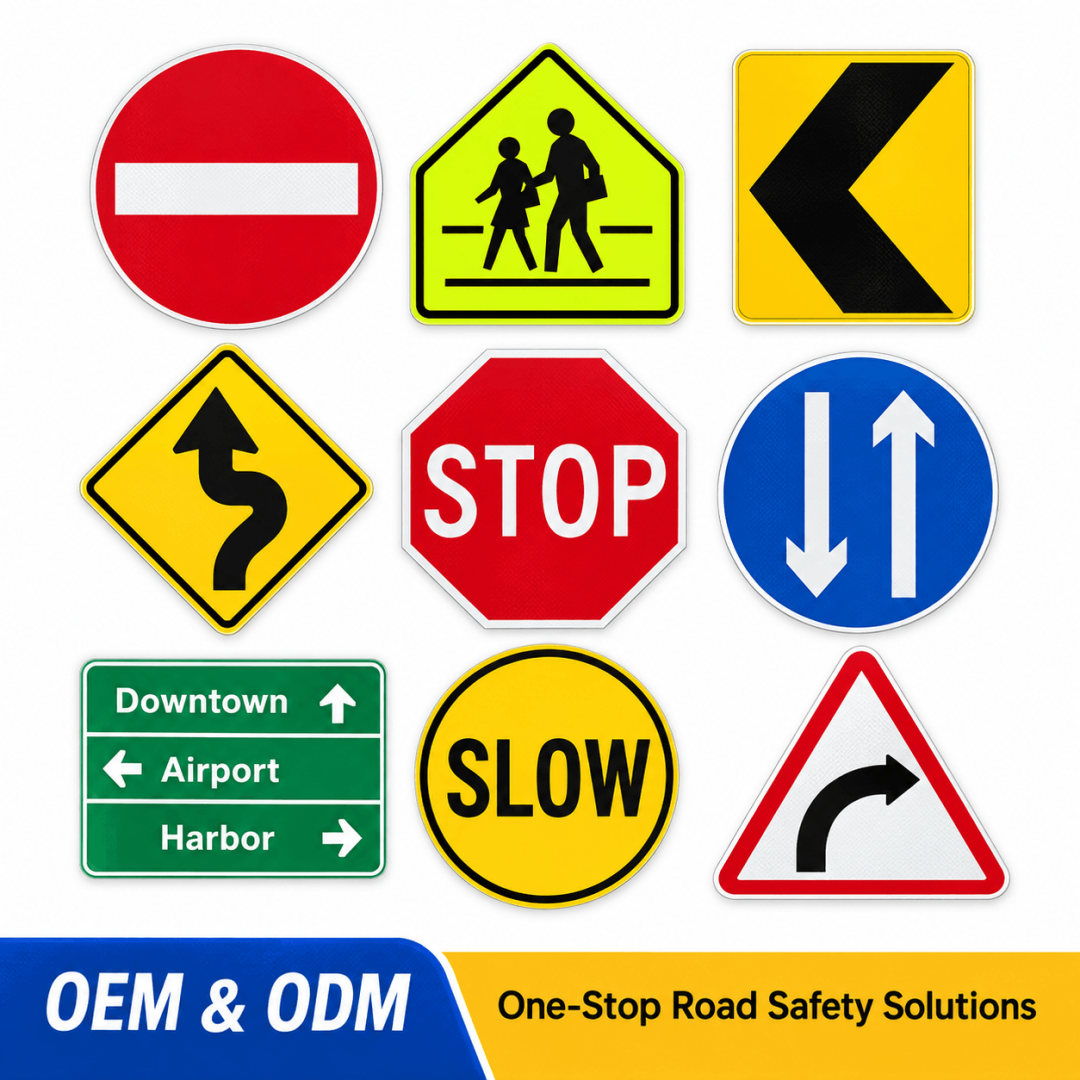
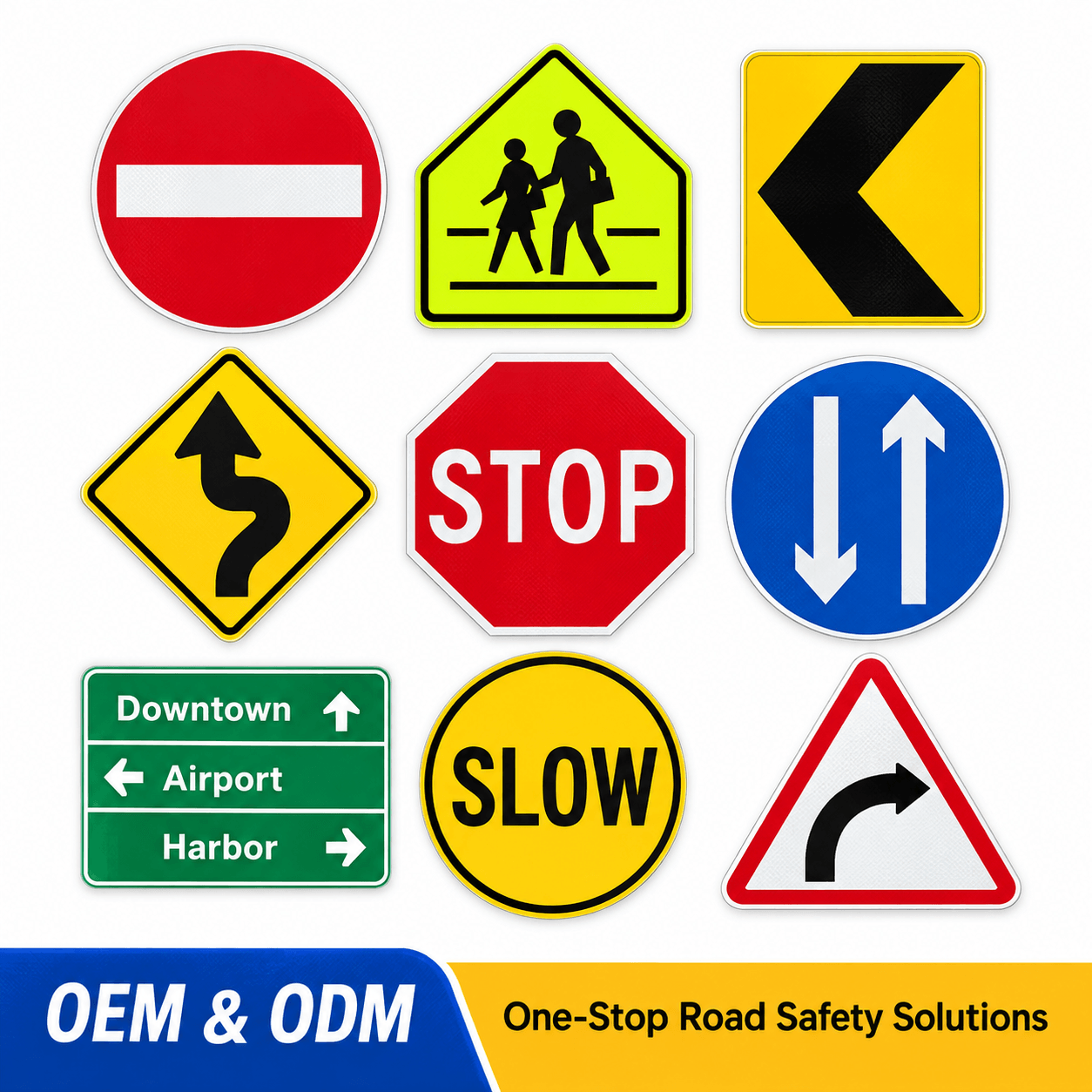
Custom metal signs are used across industrial facilities, warehouses, construction sites, parking areas, commercial buildings, and public spaces.
They provide an effective way to communicate safety warnings, directions, operational instructions, and business information.
For professional buyers, however, choosing Custom Metal Signs involves more than selecting the correct message or graphic.
Material thickness, reflective performance, printing durability, mounting methods, and environmental exposure can all influence product suitability.
1. Choose the Right Metal Material for Your Application
The base material influences the weight, rigidity, corrosion resistance, and appearance of a sign.
Aluminum Signs
Aluminum is commonly used for safety signs, warning signs, directional signage, and outdoor information boards.
It offers relatively low weight and good corrosion resistance, making it practical for many commercial applications.
Stainless Steel Signs
Stainless steel is often selected for decorative identification signs, industrial nameplates, and applications requiring a metallic appearance.
The appropriate grade depends on the installation environment and corrosion-resistance requirements.
Other Metal Options
Depending on the project, manufacturers may offer additional metal substrates and protective finishes.
Before ordering, buyers should confirm the exact material grade rather than relying only on the general description of a metal sign.
2. How Does Metal Thickness Affect Sign Performance?
Metal thickness is an important consideration for custom aluminum signs.
The appropriate thickness depends on the sign dimensions, mounting structure, expected handling, and environmental conditions.
Some manufacturers offer aluminum thickness options such as:
| Aluminum Thickness | Purchasing Consideration |
|---|---|
| 0.5 mm | Lightweight signs requiring suitable support |
| 1.0 mm | General signage applications, depending on size |
| 1.5 mm | Projects requiring additional panel rigidity |
| 2.0 mm | Larger or more demanding applications |
| 3.0 mm | Applications requiring a thicker metal panel |
| Custom Thickness | Project-specific engineering requirements |
These thicknesses are reference options rather than universal recommendations.
Large outdoor signs may require structural supports or additional engineering regardless of panel thickness.
Purchasing Tip: Always provide the overall sign dimensions and installation method when requesting a quotation.
3. Understand Reflective and Non-Reflective Metal Signs
Reflective performance is one of the main differences between ordinary metal signs and reflective aluminum safety signs.
Non-Reflective Metal Signs
Non-reflective signs are commonly used for indoor instructions, decorative signage, and applications with sufficient ambient lighting.
Reflective Metal Signs
Reflective signs use specialized sheeting to return incident light toward its source.
This helps improve visibility when illuminated by vehicle headlights or other directed light sources.
Reflective sheeting is available in different performance categories, including engineering-grade, high-intensity, and diamond-grade products.
However, these commercial descriptions alone do not establish compliance with a particular technical standard.
Buyers should confirm the actual reflective sheeting manufacturer, product grade, performance documentation, and applicable project specifications.
4. Compare Printing and Surface Treatment Options
Printing technology affects the appearance and durability of custom metal signage.
UV Printing
UV printing allows detailed graphics, logos, warning messages, and multicolor designs to be applied to suitable substrates.
Screen Printing
Screen printing can be useful for repeated graphics and certain higher-volume production requirements.
Digital Printing
Digital printing offers flexibility for customized artwork and variable designs, depending on the selected materials and production process.
Protective Surface Treatments
Depending on the intended application, manufacturers may offer reflective finishes, protective coatings, or other surface treatments.
For outdoor signs, buyers should ask about resistance to UV exposure, moisture, abrasion, and cleaning chemicals.
5. Match the Sign Design to Its Installation Environment
Different applications require different product specifications.
Factory and Warehouse Safety Signs
Industrial environments may require warning messages, restricted-area notices, equipment identification, and operational instructions.
Construction Site Signs
Construction projects often need hazard warnings, directional information, and temporary or permanent identification signs.
Parking and Traffic-Related Signs
Parking areas may require reflective signage, directional arrows, speed information, and access instructions.
Where signs are subject to traffic-control regulations, the relevant local standards must be confirmed before manufacturing.
Commercial Building Signs
Offices, retail buildings, and business parks may require custom metal identification signs with logos, directional information, and decorative finishes.
6. What Should Wholesale Buyers Check Before Ordering?
For distributors and project contractors, procurement requirements should be clearly defined before requesting prices.
A complete inquiry should include:
| Purchasing Item | Information to Provide |
|---|---|
| Material | Aluminum or another specified metal grade |
| Thickness | Required panel thickness |
| Dimensions | Width, height and shape |
| Reflective Grade | Exact sheeting type or applicable standard |
| Printing | Artwork, colors and printing requirements |
| Surface Finish | Reflective, non-reflective or protective coating |
| Mounting | Hole diameter, position and fixing method |
| Quantity | Order quantity by design and size |
| Packaging | Individual protection and carton requirements |
| Delivery | Destination and required delivery schedule |
For repeat orders, consistent colors, dimensions, hole positions, and reflective performance are especially important.
Buyers should also request a sample or production proof when accuracy is critical.
7. How to Evaluate a Custom Metal Sign Supplier
Choosing the right supplier can affect purchasing efficiency and product consistency.
Before confirming an order, evaluate the supplier’s ability to provide:
Material documentation: Clear information about aluminum grades, thicknesses, and reflective materials.
Customization capabilities: Support for custom graphics, dimensions, shapes, and mounting-hole arrangements.
Quality inspection: Checks for printing accuracy, panel dimensions, surface defects, and packaging condition.
Production capacity: Ability to handle repeated designs and project-based quantities.
Export packaging: Suitable protection against scratches, bending, and transportation damage.
Technical communication: Clear confirmation of specifications before production begins.
For regulated safety signage, suppliers should also be able to identify which standards their products are designed to meet and provide appropriate supporting documentation where required.
8. Common Mistakes When Purchasing Custom Metal Signs
One common mistake is choosing signs based only on unit price.
A lower initial price may not represent better value if the signs have unsuitable materials, inconsistent printing, or inadequate packaging.
Another mistake is assuming that all reflective films provide the same performance.
Reflective sheeting varies significantly in construction, visibility, durability, and intended application.
Buyers should also avoid ordering outdoor signs without confirming mounting requirements and environmental conditions.
A complete technical specification can reduce misunderstandings and improve purchasing efficiency.
Conclusion
Selecting the right Custom Metal Signs requires attention to material quality, aluminum thickness, reflective performance, printing methods, installation conditions, and supplier capabilities.
For industrial buyers, signage distributors, and commercial contractors, clearly defined technical requirements are essential for successful sourcing.
Whether purchasing reflective aluminum safety signs, warning signs, or customized commercial identification signs, the right specifications help ensure that the finished products meet the intended application.
Need Custom Metal Signs for Your Project?
Send your artwork, required dimensions, material thickness, reflective specifications, mounting requirements, and order quantity to discuss a customized metal signage solution.
 Uncategorized
 Uncategorized